


For our first issue, we tell six stories about six things going to waste that shape Filipino culture: jeepneys that refuse to retire, coconut husks waiting to be transformed into building materials, and food waste that becomes food for the land.
In the Philippines, the landfill is where trash ends. But many Filipinos hold onto things as long as they can. They believe that the trash everyone else is throwing away is precious—and they are waiting for the rest of the country to catch up.
What could the Philippines look like if we decided the landfill wasn’t the last stop?

It takes years for a single coconut husk to decompose—with billions of coconut husks rotting in the Philippines, meet the people turning them into shoes, wood, and jobs.
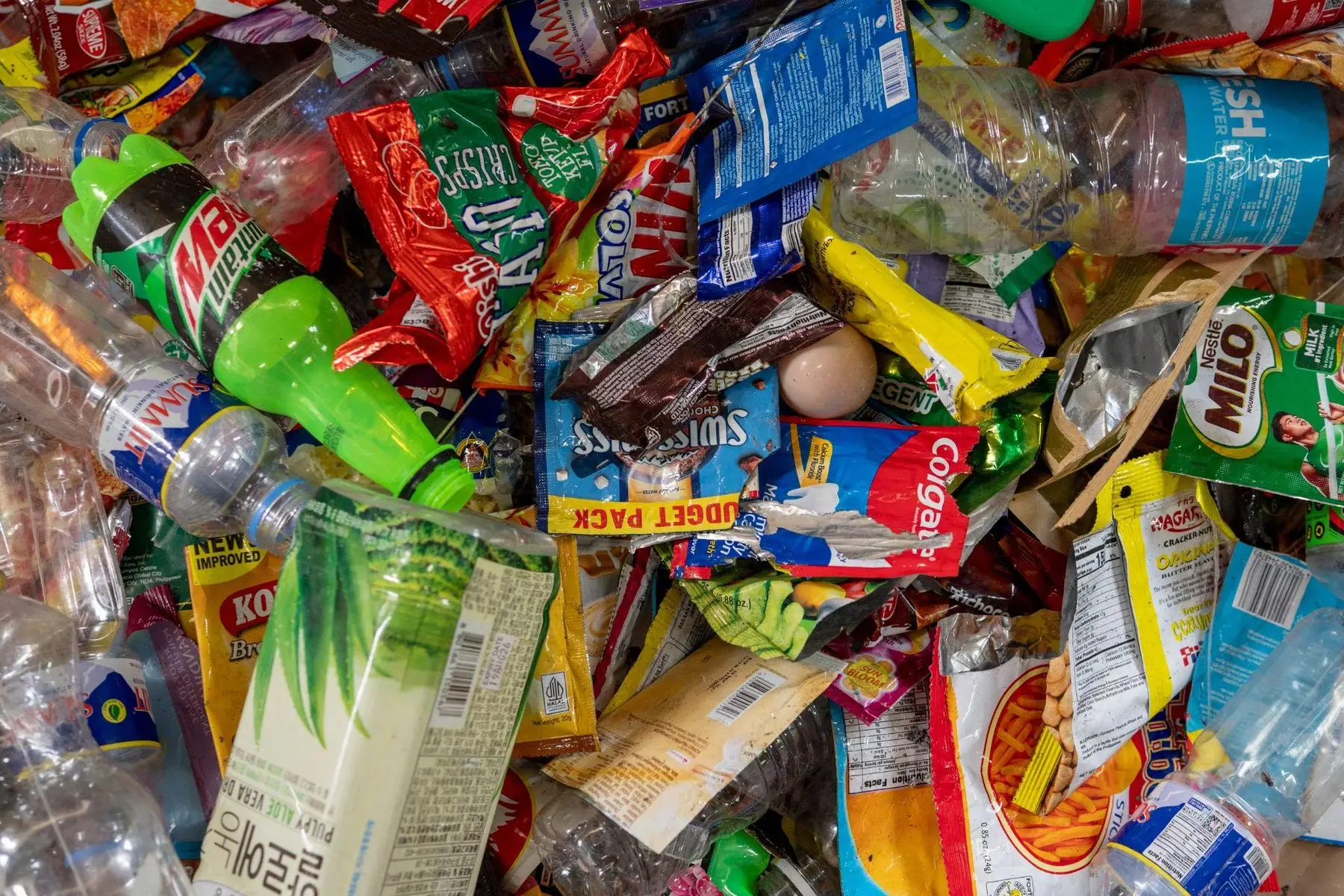
Barangay Potrero in Malabon and its Waste Warriors have managed their plastic crisis—except for the single-use sachets that are designed to be hard to get rid of.
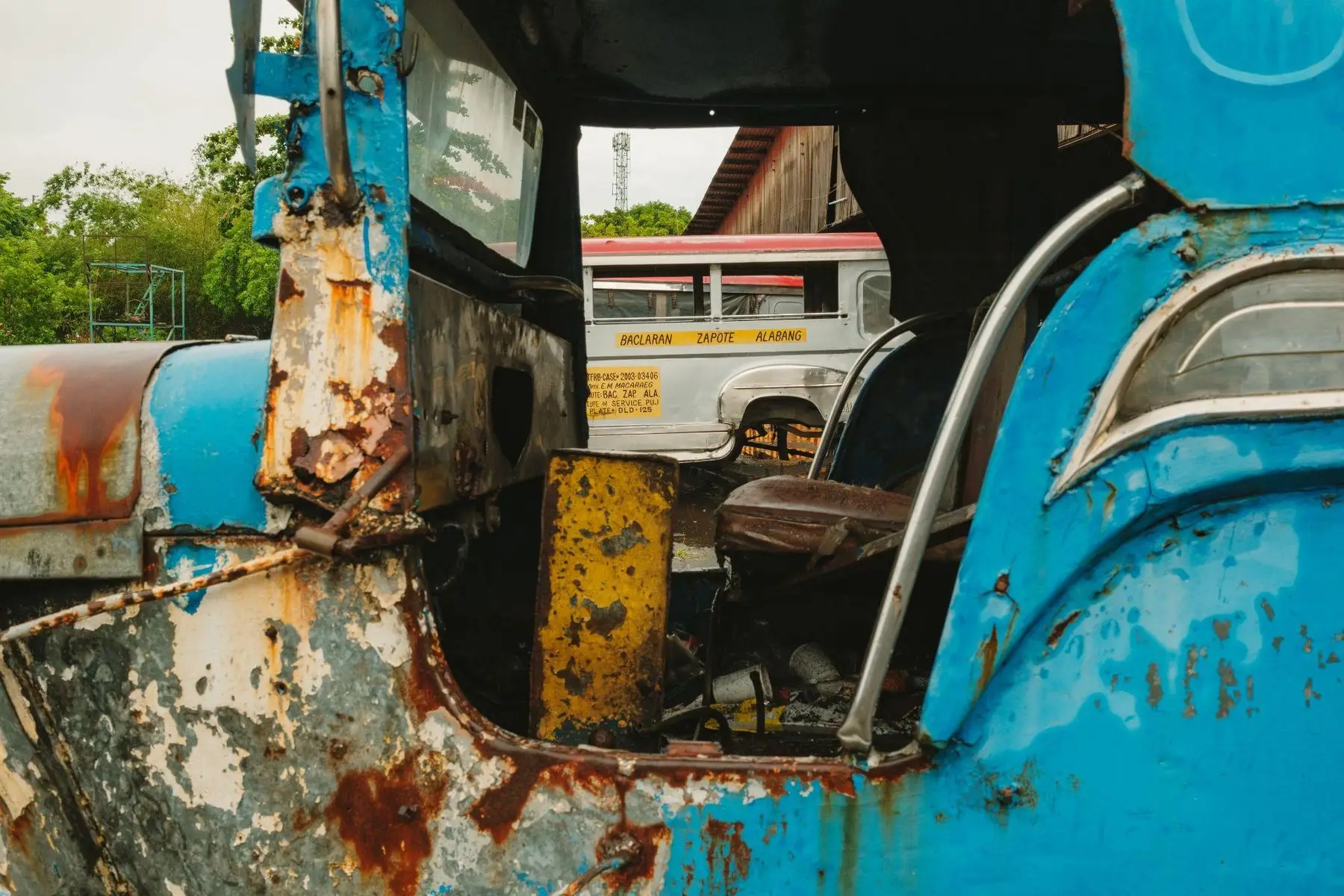
The traditional jeepney was made by survivors—it continues to survive, held together by recycled parts that endure for 30 years or longer. But in the name of sustainability, drivers are told to give them an expiration date.

Old clothes in the Philippines remain useful long after their original owner bought them—thrift stores resell them, upcyclers transform them. But is it enough to curb the endless supply?

In Davao, the Fruit Basket of the Philippines, food waste is abundant. A family of chocolate makers is transforming it into a soil conditioner that feeds their award-winning cacao.

In the phone-crazy Philippines, selling old units is part of everyday life. No one really stops to think, however, about what happens when no one’s buying.
